Category: Blog

Your blog category

  • How Explainer Videos Increase Conversion Rates (With Real Data)

    How Explainer Videos Increase Conversion Rates (With Real Data)

    Every brand wants more conversions. More sign-ups, more demo requests, more purchases, more calls booked. And yet the most effective conversion tool available to most businesses is one they have not yet deployed: a professionally produced explainer video.

    This is not a claim based on anecdote. There is a substantial and growing body of data showing that animated explainer videos — when well-crafted and strategically placed — have a measurable and often dramatic impact on conversion rates across industries, funnel stages, and channels. This article walks through the evidence, the mechanisms, and the practical frameworks that make explainer videos one of the highest-ROI marketing investments a startup or enterprise brand can make in 2026.

    The question is no longer whether video drives conversions. The question is whether your brand is leaving those conversions on the table.

    What Is an Explainer Video?
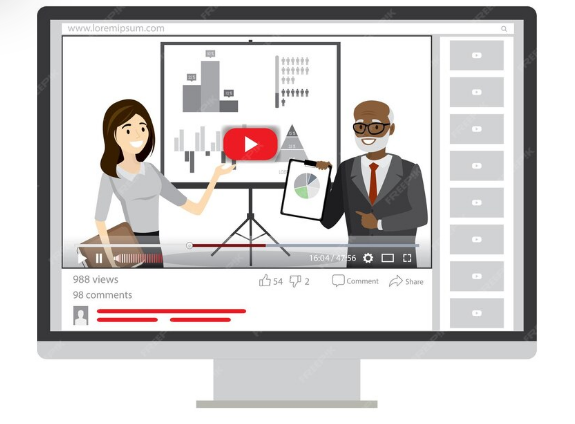
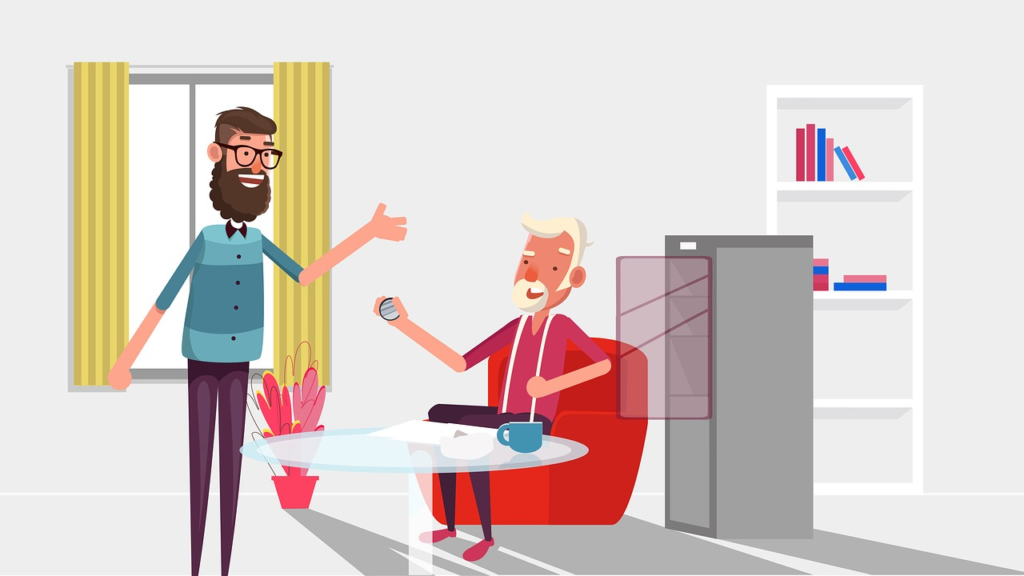
    Explainer video example

    An explainer video is a short, focused animated video — typically 60 to 120 seconds — designed to communicate what a product, service, or concept is, who it is for, and why it matters. Unlike brand films or testimonial videos, explainer videos are built around a single, clear objective: making the viewer understand something quickly enough that they are compelled to take a next step.

    The best explainer videos share four structural qualities: they lead with the problem the viewer already feels, they present a clear and credible solution, they communicate the mechanism (how the solution works) without getting lost in technical detail, and they end with a direct, frictionless call to action.

    Most explainer videos used in marketing are 2D animated, for several reasons: animation is platform-agnostic, requires no on-screen talent, can be updated without a reshoot, and communicates abstract concepts — software, processes, ideas — with far more clarity than live-action footage.

    The Data: What Explainer Videos Actually Do to Conversion Rates
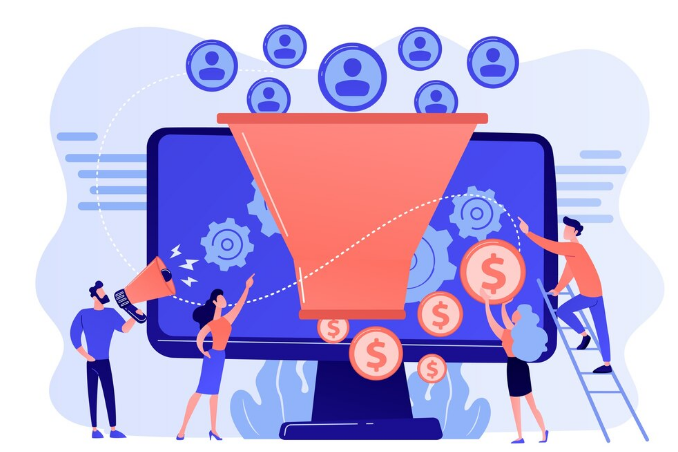
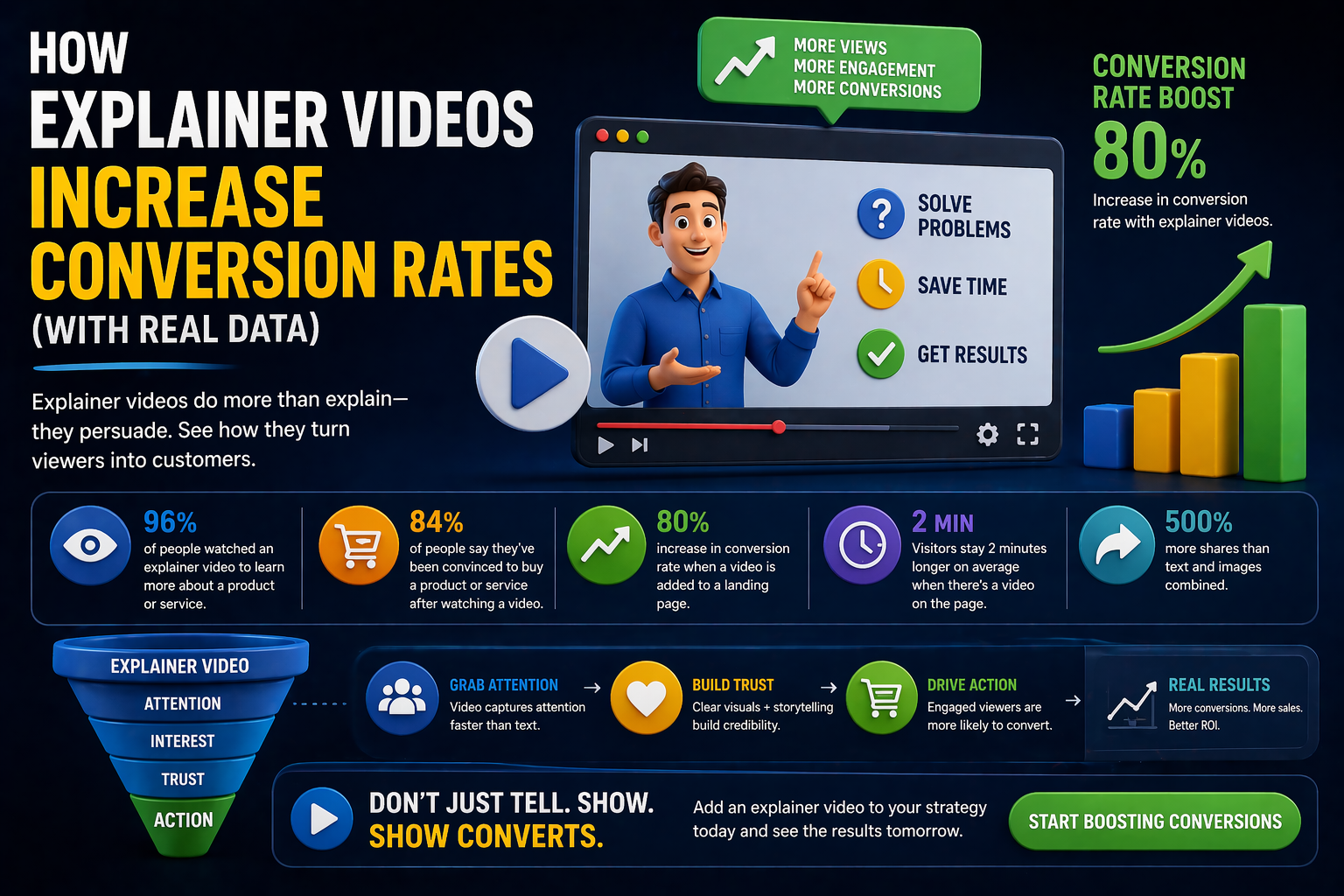
    Video-based conversions

    Let us look at what the research and industry data consistently show about explainer videos and their impact on business metrics.

    Landing Page Conversion Rates

    Video on landing pages is one of the most studied variables in conversion rate optimization. Across multiple large-scale analyses, landing pages featuring an explainer video above the fold show conversion rate improvements ranging from 20% to over 80% compared to equivalent pages with static content. The range is wide because results depend heavily on video quality, relevance to the page’s offer, and load speed — but even conservative estimates consistently show a meaningful positive effect.

    Landing pages with video convert up to 80% better than those without, across multiple conversion rate optimization studies.

    Bounce Rate Reduction

    Video increases average time-on-page significantly. A visitor who watches a 90-second explainer video spends at least 90 more seconds on your site than one who arrives to a text-only page. This has a compounding effect: longer sessions signal relevance to Google (improving SEO rankings), reduce bounce rate, and increase the likelihood that a visitor continues deeper into the site rather than leaving.

    Email Click-Through Rates

    Adding video — or even just the word ‘video’ in an email subject line — increases open and click-through rates meaningfully. Campaigns that include an animated GIF or video thumbnail linking to an explainer video see click-through rate improvements of 20–30% compared to static email campaigns with equivalent offers.

    Paid Advertising Performance

    Animated explainer content used as video ads on YouTube, LinkedIn, and Meta consistently outperforms static image ads in cost-per-click and conversion rate metrics. Because animated video captures attention in feeds and sustains it for longer, the platform algorithms reward it with lower CPMs and broader reach. For startups with limited ad budgets, a single well-produced animated ad can stretch paid media spend significantly further than static creative.

    Sales Cycle Compression

    For B2B brands with long sales cycles, explainer videos serve a critical function in the mid-funnel. When a prospect is evaluating your solution but has not yet spoken with sales, a clear animated video on your pricing page, demo page, or in a follow-up email can answer objections, demonstrate value, and accelerate the decision — effectively shortening the average sales cycle without requiring additional headcount.

    In competitive B2B markets, the brand that educates the buyer fastest wins. Explainer videos are the fastest educators in your content arsenal.

    Why Animated Explainer Videos Specifically?
     Animated explainer video

    Video in general drives conversions — but animated explainer videos outperform their live-action equivalents in specific and important ways for most business contexts.

    They Visualize the Invisible

    Most products and services — especially in software, finance, healthcare, and professional services — involve processes, systems, or transformations that cannot be filmed. Animation can visualize any concept, no matter how abstract. A SaaS workflow, a financial mechanism, a regulatory process — animation shows what live action cannot.

    They Are Brand-Consistent by Design

    Live-action video is inherently constrained by real-world variables: lighting, location, casting, wardrobe. Animation is entirely controlled. Every frame reflects deliberate design choices that align with your brand’s colors, typography, character style, and voice. For brand-conscious companies, this level of control is invaluable.

    They Age Better

    A live-action video from three years ago often looks dated — different hairstyles, office decor, software UI. An animated explainer video ages more gracefully and can be updated scene by scene without reshooting the entire production. For products that evolve, this is a significant long-term cost advantage.

    They Work Without Sound

    Over 85% of social media video is watched without sound on first view. Animated explainer videos with strong visual storytelling and on-screen text communicate the core message even when muted — a critical advantage in social and paid media environments where autoplay without audio is the norm.

    Where to Deploy Explainer Videos for Maximum Conversion Impact
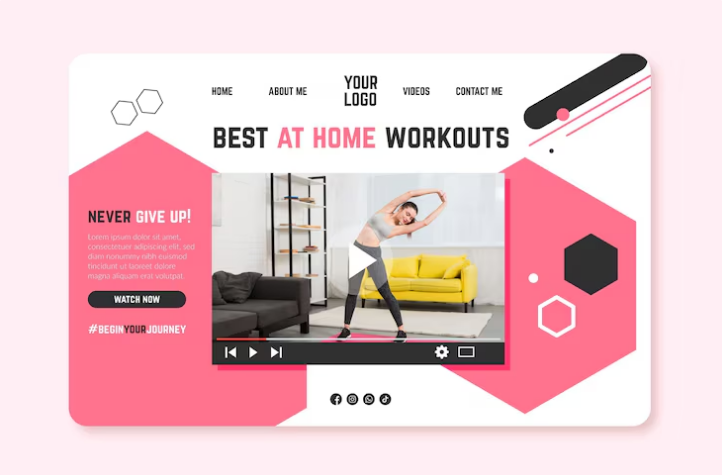
     Homepage explainer video

    The placement of an explainer video matters as much as the quality of the video itself. Here are the highest-impact deployment positions, validated by conversion data.

    Homepage Hero Section

    This is the single highest-leverage placement for most businesses. Visitors who land on your homepage have demonstrated intent — they looked you up or clicked your ad. A 60–90 second explainer video in the hero section answers the visitor’s first question (what is this?) immediately, before they have to scroll or search.

    Product and Service Pages

    Each core service or product deserves its own explainer video. Visitors to a specific service page are deeper in the funnel and ready for more detail. A video that explains how the service works, who it is for, and what results it delivers will convert this traffic at significantly higher rates than copy and images alone.

    Pricing Pages

    Pricing pages are among the highest-exit pages on most business websites. An explainer video on the pricing page — even a short 45-second version focused on value rather than features — can meaningfully reduce exits and increase the number of visitors who proceed to contact or purchase.

    Email Nurture Sequences

    A single explainer video embedded or linked in an email nurture sequence gives prospects a low-effort, high-engagement way to learn more between touchpoints. This is particularly effective in B2B sequences where the lead has opted in but not yet booked a call.

    Paid Media and Remarketing

    Cut your explainer video into 15- and 30-second versions for use in paid campaigns. Remarketing audiences — people who visited your website without converting — respond particularly well to animated explainer ads that address a specific objection or use case they may have encountered during their visit.

    One Click Animation specializes in explainer video production for US startups and enterprise brands. We handle strategy, scripting, animation, voiceover, and delivery — so you get a video that converts, not just one that looks good. Request a free project consultation today.

    What Makes an Explainer Video Actually Convert?

    Not all explainer videos drive results. The gap between a video that converts and one that underperforms almost always comes down to the same set of variables.

    Script Clarity

    The script is the single most important component of a converting explainer video. A weak script — one that leads with company history, uses industry jargon, or buries the value proposition — will underperform regardless of how beautiful the animation is. The script must lead with the viewer’s problem, get to the solution within the first ten seconds, and maintain momentum throughout.

    Duration Discipline

    Shorter is almost always better. For most top-of-funnel applications, 60–90 seconds is the optimal duration. Attention drops sharply after the 90-second mark for first-time viewers. If your message cannot be communicated in 90 seconds, the problem is usually with the script — not with the concept.

    A Clear, Single Call to Action

    Every explainer video should end with one specific action you want the viewer to take. Not three options. One. Whether that is starting a free trial, booking a demo, or downloading a guide — the CTA should be direct, low-friction, and visually prominent in the final frames.

    Voiceover and Audio Quality

    Poor audio undermines excellent animation. A professional voiceover artist with a tone, pace, and accent that matches your target audience is a non-negotiable component of a high-converting video. The music bed should support emotional engagement without competing with the narration.

    Frequently Asked Questions About Explainer Video Production

    Q1: How much does an explainer video cost to produce?

    Professional explainer video production in the US market typically ranges from $3,000 to $25,000 for a finished 60–90 second animated video, depending on the studio, animation style, and complexity. Simple motion graphics sit at the lower end; fully illustrated character animation with custom design sits at the higher end. Very low-cost options — under $1,500 — almost universally involve template-based tools or offshore production, which carries significant brand quality and communication risks. The investment in a professionally produced explainer video typically pays for itself within the first 60–90 days when deployed on a converting landing page or in paid media.

    Q2: How long should my explainer video be?

    For most business applications, 60–90 seconds is the optimal length. Homepage and social media videos should aim for 60 seconds or less. Product page and mid-funnel videos can extend to 90–120 seconds when additional detail serves the viewer’s decision-making process. Onboarding and educational videos can run 2–3 minutes if the audience has already demonstrated strong intent. The key principle: the video should be as short as it can be while still communicating the complete message needed to move the viewer to the intended action.

    Q3: Do I need a script before approaching an explainer video company?

    No — and you should be cautious of studios that require a finished script before engaging. The script development phase is one of the most strategically valuable parts of the production process, and a capable explainer video production company will guide you through it. What you do need before starting is clarity on your goal (what action should the viewer take?), your target audience (who is watching, and what do they already know?), and your core message (what is the single most important thing to communicate?). From those inputs, a professional team can develop a script that is built to convert rather than simply to describe.

    Q4: Can one explainer video work across multiple channels?

    Yes — and a well-produced explainer video should be planned from the outset with multi-channel use in mind. The full-length version (60–90 seconds) lives on your website and YouTube. A 30-second cut serves LinkedIn and Instagram. A 15-second cut runs as a paid ad or pre-roll. Static frames from the animation can be used as social posts and email imagery. Animated GIFs derived from specific scenes work in email and banner ads. One investment, when executed with a distribution strategy in mind, can generate 6–8 distinct content assets across channels.

    Q5: How do I measure whether my explainer video is working?

    The metrics you track should match the placement and goal of the video. For landing pages, track conversion rate before and after video deployment using your existing analytics tool. For paid video ads, track view-through rate, click-through rate, and cost per conversion. For email campaigns, compare open and click-through rates on sends that include video versus those that do not. For onboarding videos, track feature adoption rates and support ticket volume before and after deployment. The most important thing is to establish a baseline before the video goes live so you have a clean before-and-after comparison.

    Q6: What industries benefit most from explainer videos?

    While explainer videos work across virtually every industry, they deliver the highest impact in categories where the product or service is abstract, complex, or unfamiliar to the buyer. This includes SaaS and software products, financial services and fintech, healthcare and medical technology, professional and B2B services, and any emerging technology or platform. Consumer product brands also benefit significantly, particularly when the product has a mechanism or origin story that differentiates it from category competitors. If your sales team regularly finds themselves explaining what your product does before they can sell it, an explainer video will have an immediate and measurable impact.

    One Click Animation produces high-converting explainer videos for startups and enterprise brands across the United States. We handle everything — from strategy and script to animation, voiceover, and final delivery. Speak with our team to explore what an explainer video could do for your conversion rate.
  • What Is 2D Animation? A Complete Guide for Brands & Startups

    You have seen it dozens of times this week. A clean, colorful video on a startup’s homepage that explains a complex product in 60 seconds. An Instagram Reel where a brand’s illustrated character walks a customer through a new feature. A motion logo that blooms to life at the top of a presentation. All of it — 2D animation.

    For brands and startups navigating an increasingly crowded digital landscape, 2D animation has become one of the most versatile and cost-effective tools in the marketing stack. But many business owners are still fuzzy on what 2D animation actually is, how it differs from other video formats, and how to use it strategically. This guide answers all of those questions.

    2D animation is not just a visual style — it is a communication strategy. When done right, it simplifies, persuades, and converts.

    What Is 2D Animation, Exactly?

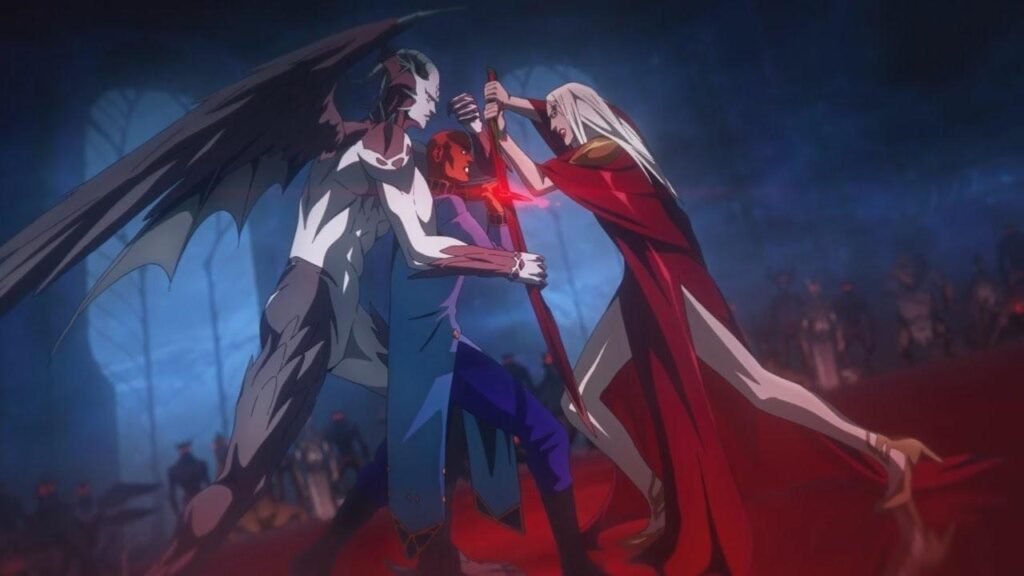
    Castlevania 2D animation

    2D animation is the art of creating movement in a two-dimensional space — characters, shapes, text, and graphics that move along an X and Y axis, without the depth of a 3D environment. It is the oldest form of animation, rooted in hand-drawn cel animation from the early 20th century, and it has evolved into a digital medium used across marketing, education, advertising, and entertainment.

    For businesses, 2D animation typically manifests in one of several forms: explainer videos, motion graphics, animated ads, social media content, logo animations, and character-driven brand films. The defining characteristic is the flat, illustrated aesthetic — though modern 2D animation ranges from minimalist and corporate to richly illustrated and cinematic.

    2D vs. 3D Animation: A Quick Distinction

    While 3D animation creates objects and environments with depth, shadow, and physical realism, 2D animation lives in a flatter visual world. That distinction matters for brand strategy:

    • 2D animation is generally faster and more affordable to produce than 3D.
    • It is better suited for abstract concepts, storytelling, and character-driven content.
    • 3D animation excels at product visualization, architectural rendering, and photorealistic imagery.
    • Many brands use both — 2D for marketing communication, 3D for product showcases.

    For most startups and marketing teams working with a defined budget, 2D animation services offer the best return on creative investment.

    How 2D Animation Is Produced

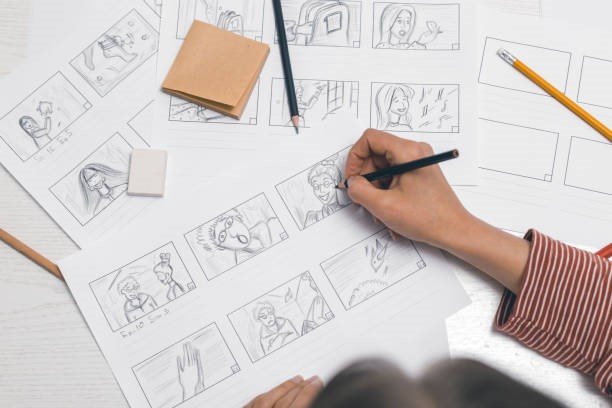
    2D animation storyboard

    Understanding how 2D animation is made helps you brief your animation partner effectively, set realistic timelines, and know what to review at each stage. A professional 2D animation project typically moves through five phases.

    Phase 1: Strategy and Scripting

    Every effective animation starts with a script. Before a single frame is drawn, the production team works with you to define the goal of the video, the target audience, the core message, and the desired viewer action. A tight 60-second explainer script runs approximately 150–160 words. Getting this right is the most important investment in the entire project — a weak script cannot be saved by great animation.

    Phase 2: Storyboarding

    Once the script is approved, a storyboard maps out each scene visually — roughly sketched frames that show what will appear on screen and when. Think of it as a comic book version of your animation. The storyboard is your chance to shape the narrative structure before any movement is added.

    Phase 3: Style Design and Asset Creation

    This is where the visual identity of the animation is established. Character designs, background environments, icons, and UI elements are all illustrated in the agreed style — whether that is flat design, illustrated, minimalist, or brand-matched. For businesses with existing brand guidelines, this phase ensures the animation feels like a native extension of the brand rather than a generic video.

    Phase 4: Animation

    The approved assets are imported into animation software and brought to life. Animators apply movement, timing, and transitions to create the final motion. This phase is the most time-intensive and is where the quality of the production partner becomes most apparent — poorly timed animation looks amateurish even if the illustration is strong.

    Phase 5: Sound Design and Final Delivery

    Music, sound effects, and voiceover are layered in during post-production. These elements dramatically affect the emotional impact of the video. A well-scored animation with a confident voiceover can increase viewer retention by as much as 40% compared to visuals alone. Final files are delivered in formats suited to your distribution channels: MP4 for web and social, MOV for broadcast, and GIF for email or banners.

    A professional 2D animation project typically takes 4–8 weeks from kickoff to final delivery, depending on length, complexity, and revision cycles.

    The Main Styles of 2D Animation for Business

    2D animation for business

    Not all 2D animation looks the same. The style you choose should align with your brand personality, your audience’s expectations, and the platform on which the content will live.

    Flat Design Animation

    Clean geometric shapes, bold colors, and minimal detail. This style is widely used in SaaS, fintech, and tech companies because it communicates professionalism and clarity. It is also the most efficient style to produce, making it cost-effective for startups.

    Illustrated Character Animation

    Custom-drawn characters that carry emotional narratives. This style is ideal for brands that want to build a mascot, tell a customer story, or communicate with warmth. Healthcare, education, and consumer brands frequently use character-driven animation because it creates empathy and memorability.

    Motion Graphics

    Text, data, and abstract shapes in motion — no characters required. Motion graphics are the workhorses of B2B marketing, commonly used in explainer videos, pitch decks, advertising, and data visualization. They are especially powerful when a concept is abstract or statistical.

    Whiteboard Animation

    A hand-drawn style that simulates illustrations being drawn in real time on a white background. Popular in education and training content because the progressive reveal technique mirrors the pace of learning and maintains attention over longer durations.

    Frame-by-Frame (Traditional) Animation

    The most labor-intensive style, in which each frame is drawn individually to create fluid, organic motion. Rarely used for commercial content due to cost and time, but exceptionally powerful for brand films, title sequences, and premium storytelling pieces where artistic quality is the priority.

    How Brands Are Using 2D Animation Services in 2026

    The practical applications of 2D animation for business have expanded dramatically over the past five years. Here are the highest-impact use cases across the buyer journey.

    Explainer Videos on Website Landing Pages

    Landing page explainer videos remain one of the most proven applications of 2D animation in marketing. Studies consistently show that video on landing pages can increase conversion rates by 20–80%, depending on placement, quality, and relevance. A 60–90 second 2D explainer that clearly communicates a product’s value proposition, mechanism, and call to action is still the highest-ROI single piece of content most brands can produce.

    Social Media and Paid Advertising

    Animated content consistently outperforms static creative in paid media across Meta, LinkedIn, TikTok, and YouTube. The inherent motion of animation triggers attention in a way that static images cannot. Short-form animated ads — 15 to 30 seconds — are particularly effective at top-of-funnel brand awareness and retargeting campaigns.

    Email Marketing

    Animated GIFs derived from 2D animation content can increase email click-through rates by 20–30% compared to static emails. They are lightweight, universally supported, and give the impression of premium production value even in inbox-hostile environments.

    Onboarding and Product Education

    SaaS companies and app-based businesses increasingly use short animated tutorials and onboarding flows to reduce time-to-value for new users. Animated walkthroughs are easier to update than live-action tutorials and far more engaging than written documentation.

    Investor and Pitch Presentations

    Animated pitch decks and investor overview videos help startups communicate complex business models in a digestible, memorable format. In a world where investors review hundreds of pitches, a polished animated overview can be the difference between a follow-up meeting and a pass.

    Ready to explore 2D animation for your brand? One Click Animation’s team specializes in 2D animation services for startups and enterprise brands across the United States. Explore our work or reach out for a free consultation.

    What to Look for in a 2D Animation Company

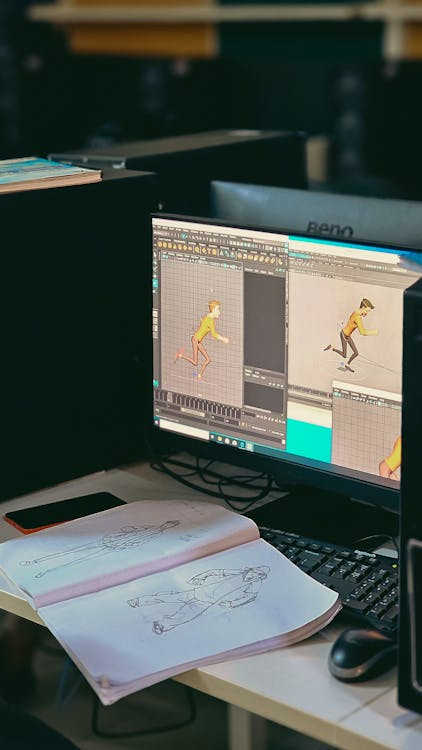
     Animator working in an agency

    Choosing the right 2D animation services partner is as important as deciding to invest in animation at all. The market includes a wide range of providers — from offshore freelancers to boutique studios to full-service creative agencies — and the gap in quality and reliability between them is significant.

    Portfolio Depth and Style Range

    A strong animation studio should be able to demonstrate work across multiple styles and industries. If every piece in their portfolio looks identical, they likely have a template-based approach that will produce generic results for your brand.

    Strategic Input, Not Just Execution

    The best animation partners do not just take your script and animate it — they help you develop the communication strategy, refine the messaging, and recommend the right format and style for your goal. If a studio is asking you for a finished script before even discussing your objective, that is a red flag.

    Transparent Process and Revision Policy

    You should know before the project starts how many revision rounds are included, what happens if scope changes, and who owns the final files. Reputable studios will make all of this clear in writing upfront.

    US Market Understanding

    For brands serving American audiences, it matters that your animation partner understands US cultural norms, communication styles, and platform-specific expectations. One Click Animation works exclusively within the US market context — our scripts, voiceover direction, and visual styles are built for American audiences from the ground up.

    How Much Do 2D Animation Services Cost?

    Pricing for professional 2D animation services varies widely based on style, duration, complexity, and the experience level of the studio. As a general benchmark for the US market in 2026:

    • Simple motion graphics (30–60 seconds): $1,500–$5,000
    • Mid-tier 2D character animation (60–90 seconds): $5,000–$15,000
    • Premium illustrated brand animation (60–120 seconds): $15,000–$40,000+
    • Ongoing social media animation packages: $800–$3,000/month depending on volume

    These ranges reflect professionally produced work. Prices below these thresholds typically indicate template-based production, offshore labor, or inexperienced studios — all of which carry significant quality and brand-risk trade-offs.

    The cheapest animation is almost never the most cost-effective. A poorly produced video that fails to convert costs more in lost opportunity than the production savings.

    Frequently Asked Questions About 2D Animation Services

    The following questions are among the most commonly asked by business owners exploring 2D animation for the first time. They are structured to provide clear, accurate answers that help you make a more informed decision.

    Q1: What is the difference between 2D animation and motion graphics?

    2D animation is a broad category that includes any content where illustrated elements move in a two-dimensional space. Motion graphics are a specific subset of 2D animation that focuses on the movement of abstract shapes, typography, and data — typically without characters or narrative storytelling. All motion graphics are a form of 2D animation, but not all 2D animation is motion graphics. Character animation, whiteboard videos, and illustrated explainers all fall under 2D animation but are distinct from motion graphics.

    Q2: How long does a 2D animation project take from start to finish?

    A professionally produced 2D animation project typically takes 4–8 weeks from initial brief to final delivery. Simple motion graphics can be turned around in 2–3 weeks. More complex illustrated animations with custom character design and detailed environments can take 8–12 weeks. The biggest variable in timeline is the speed of client approvals — each revision round or delayed feedback can add 3–7 business days to the schedule. Setting clear internal review processes before a project begins significantly reduces overall turnaround time.

    Q3: Who owns the final animation files after the project is complete?

    Ownership of final deliverables should always be clearly defined in your contract before the project begins. At reputable studios, including One Click Animation, clients receive full ownership of the final rendered video files upon project completion and payment. Source files — the editable project files used by the animation software — are handled differently by different studios; some include them in the project fee, others license them separately. Always clarify this upfront, especially if you anticipate needing to make edits or updates to the animation in the future.

    Q4: Can 2D animation work for a B2B brand, or is it only suited to consumer products?

    2D animation is highly effective for B2B brands and is, in fact, widely used across enterprise software, professional services, financial services, logistics, and healthcare. The key is matching the style and tone of the animation to the brand’s positioning. A B2B animation should feel polished, credible, and information-dense — not playful or cartoonish unless that aligns with the brand’s voice. Motion graphics and flat-design explainer videos are particularly strong formats for B2B applications because they communicate complexity clearly without trivializing the subject matter.

    Q5: How do I brief an animation studio if I have never done this before?

    A good animation brief should cover five core areas: the goal of the video (what action do you want viewers to take?), the target audience (who will watch it, and what do they already know?), the key message (what is the single most important thing the video must communicate?), the tone and style (formal or friendly? Illustrated or minimal? Are there brand guidelines to follow?), and the distribution plan (where will the video live — website, social, email, paid ads?). You do not need to arrive with a finished script. A capable animation partner will help you develop the script from your brief. One Click Animation provides a free creative brief template to all new clients — reach out to request yours.

    Q6: Is it worth investing in 2D animation for a brand that is just getting started?

    Yes — and arguably more so than for established brands. For a new brand, a high-quality animated explainer video does several things simultaneously: it communicates the value proposition clearly, it signals professional credibility, it works across every digital channel from day one, and it gives the brand a consistent visual voice before a large content library exists. A single well-crafted 60-second animation can anchor a homepage, serve as a paid ad, drive email engagement, and anchor social media content for 12–18 months. The ROI on a first animated video, when produced strategically, is among the highest of any early-stage brand investment.

    One Click Animation provides professional 2D animation services for startups and enterprise brands across the United States. Whether you need a single explainer video or a full animated brand system, our team delivers work that communicates, converts, and lasts. Get in touch to start a conversation.